

Becoming an adult isn’t a sudden leap after turning 18—it’s a slow, steady process that begins much earlier. Around age 10 or 11, children start shaping habits that influence how they’ll handle life, people, and pressure later on. These skills aren’t just practical—they’re tied to how the brain matures, how emotional balance develops, and how a young person learns to make sense of the world.
Raising a child is like nurturing a project that constantly evolves. You invest time, energy, and heart. But the real success of that project lies in learning to step back. One of the greatest joys of parenting is being able to “retire” someday from project parenting—not because your child no longer needs you, but because they’ve learned to stand on their own.
In this post, we’ll explore six essential life skills every teen should develop, along with one powerful bonus skill that can truly shape their character and choices. Each section covers the premise, how to instill it, and what happens when it’s missing.
1. Cooking and Household Basics
Premise: Cooking and managing basic chores like laundry aren’t just about survival—they build patience, self-reliance, and organization. They teach cause and effect, time awareness, and respect for effort. When a teen learns to plan a meal or clean their clothes, they’re really learning discipline and problem-solving.
How to Instill: Let your teen plan one meal each week, from grocery shopping to serving. Teach them how to wash and fold their clothes, manage kitchen hygiene, and clean up after. Give them ownership rather than treating these as punishments.
When Missing: Teens who don’t handle basic living tasks struggle with independence later. They tend to rely excessively on others, spend unnecessarily on convenience, and underestimate daily discipline’s value.
2. Financial Awareness
Premise: Understanding money teaches accountability, self-control, and foresight. Learning to handle money early trains the brain to link effort with reward and consequence.
How to Instill: Start small. Give them a monthly allowance and ask them to plan spending, saving, and giving. Involve them in family expenses—let them pay bills online or fill out simple bank forms. Discuss topics like credit, savings, and unexpected costs.
When Missing: Teens who never handle money often make impulsive choices later, falling into unhealthy spending or debt. They also tend to depend on others to bail them out when things go wrong.
3. Emotional Awareness and Mental Balance
Premise: Emotions drive behavior. Teens who understand their emotions and manage stress can think clearly, perform better, and connect deeply. In today’s social-media-driven world, this awareness protects them from comparison, anxiety, and burnout.
How to Instill: Encourage open talk about frustrations and fears. Teach grounding techniques like deep breathing, journaling, or even simple walks to clear the mind. Model calmness in your own reactions—teens mirror what they see.
When Missing: A lack of emotional regulation leads to impulsive reactions, burnout, and low resilience. A cluttered mind rarely performs at full potential.
4. Building and Maintaining Meaningful Relationships
Premise: Relationships are the invisible currency of life. Knowing how to form healthy bonds—with peers, mentors, or colleagues—builds empathy and perspective. Learning to communicate, respect boundaries, and collaborate prepares teens for personal and professional success.
How to Instill: Discuss real examples—friend conflicts, teamwork struggles, or online misunderstandings. Guide them to spot red flags and appreciate loyalty and respect. Model how to listen without judgment.
When Missing: Teens who lack social awareness may end up in unbalanced friendships, feel misunderstood, or find teamwork stressful. Poor communication often limits both career growth and happiness.
5. Time and Priority Management
Premise: Time isn’t just a resource—it’s the foundation of discipline. As the saying goes, “If you chase two rabbits, you catch none.” Teens must learn how to focus on one task at a time, block distractions, and respect their own schedule.
How to Instill: Encourage daily planning. Teach them to balance work, leisure, and rest. Discuss real examples of wasted time versus productive rest. Consistency matters more than perfection.
When Missing: Without this skill, even talented teens struggle with procrastination, stress, and poor performance. Time chaos often becomes life chaos.
6. Smart Choices (Decision-Making and Problem Solving)
Premise: Good judgment isn’t inherited—it’s practiced. Allowing teens to make small decisions builds critical thinking and responsibility. With each mistake, their brain learns to assess risks better.
How to Instill: Instead of deciding everything for them, let them weigh options and consequences. Ask reflective questions: “What could go wrong? What matters most here?” Support their reasoning instead of dictating.
When Missing: Teens who never make decisions on their own often freeze under pressure or follow the crowd. They struggle to take initiative and second-guess their choices in adulthood.
Bonus Skill – The Power of Saying No
Premise: The ability to say no is one of the most underrated life skills. It safeguards time, energy, and mental health. Without it, teens risk drifting with the crowd, losing focus, and compromising their values.
How to Instill: Teach that saying no isn’t rejection—it’s clarity. Role-play real scenarios—peer pressure, over-commitment, or online influence. Encourage them to trust their instincts without guilt.
When Missing: Teens who can’t say no often become people-pleasers, easily manipulated, and constantly drained. They lose precious time and emotional space needed to grow into confident adults.
Closing Thought:
Parenting isn’t about control—it’s about preparation. The earlier teens start practicing these skills, the smoother their transition into adulthood becomes. These lessons don’t just build independence—they nurture emotional maturity, resilience, and respect for life’s balance. Teach them patiently, live by example, and one day, you’ll watch them stand tall—not because they turned 18, but because they truly grew up.



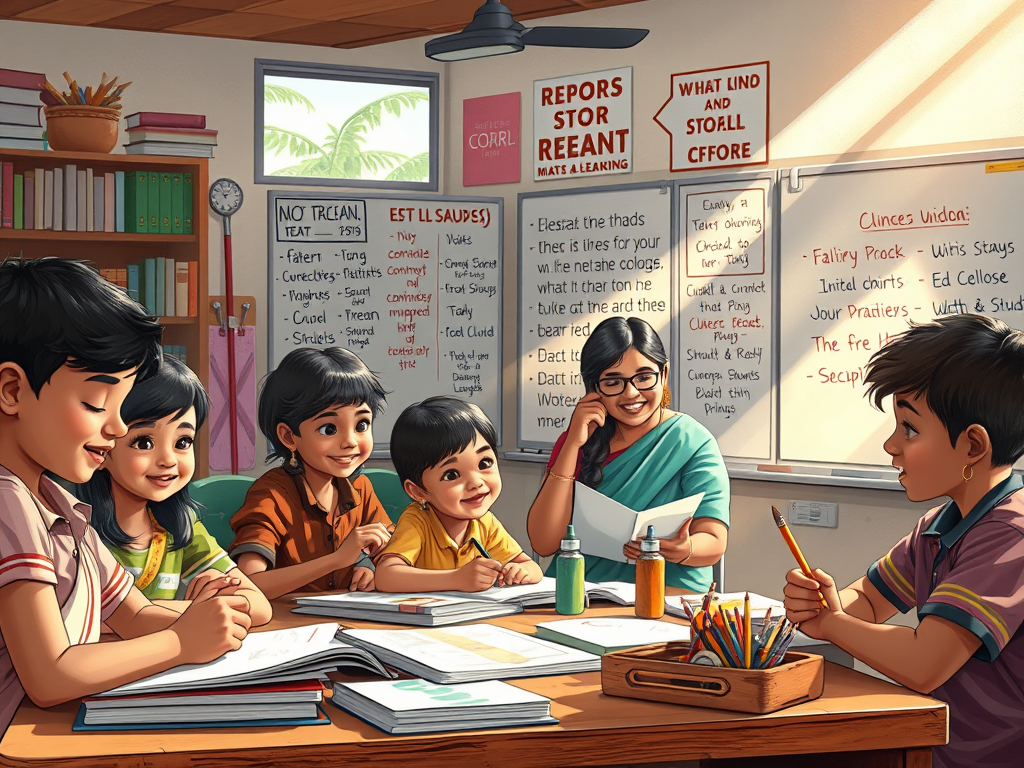
 Classroom Chai – Parents, Teachers, Students Together
Leave a comment