

Walk into any classroom, and you’ll see a teacher shaping young minds with patience and quiet determination. What we rarely see is the invisible tug-of-war between distracted students, anxious parents, and demanding systems.
Teaching has always been a noble profession. But in today’s hyperconnected world, it has quietly become one of the hardest. Here are four silent battles teachers fight every day — and what we can all learn from them.
1. The Battle with Time and Technology
Premise: Technology was meant to make teaching easier and learning faster. Digital boards, apps, and AI tools promised a new era of education.
Pain Point: In reality, teachers now juggle lesson plans, online submissions, and administrative tasks — all while trying to keep real connection alive. The abundance of online information often makes students undervalue the teacher’s role, assuming “everything’s on the internet.” This perception quietly erodes respect and weakens classroom connection.
The Other Side: Parents and students sometimes see teachers as slow to adapt or “less tech-savvy.” But the reality is most teachers are simply trying to integrate new tools into an already demanding routine. When personal connection takes a backseat, the teacher-student bond — essential for emotional openness and trust — begins to fade.
The Truth: Technology can enhance learning, but it can’t replace empathy. Teachers need time, training, and trust to balance innovation with human connection.
2. The Battle with Emotional Exhaustion
Premise: Teaching is as emotional as it is intellectual. Every day, teachers handle dozens of personalities — each with its own mood, background, and story.
Pain Point: Many teachers return home not tired from teaching but from absorbing — the anxiety, confusion, and emotions of their students. Add to this administrative duties, parental scrutiny, and pressure to “stay positive,” and burnout becomes almost inevitable. Yet conversations about emotional fatigue are still seen as signs of weakness.
The Other Side: Parents might see strictness as emotional detachment, but it often comes from fatigue, not apathy. When teachers’ emotional well-being is neglected, it affects not just the teacher — but every child they teach.
The Truth: Caring isn’t weakness. But teachers shouldn’t have to carry it all alone. Supporting teachers’ mental health is not an act of sympathy — it’s an investment in better classrooms and stronger children.
3. The Battle with Motivation and Recognition — and the Shadow of Tuitions
Premise: School teachers design lessons for holistic development, often balancing academics with character building and inclusivity. Yet their contribution is rarely recognized beyond exam results.
Pain Point: Tuition culture has subtly reshaped how students — and even parents — view school teachers. When students attend tuitions for the same subjects, it can imply that school teaching is “not enough.” The message this sends to children is damaging: that learning depends on coaching, not curiosity. Teachers then feel undervalued, even questioned about their competence, despite working within tight systems and time limits.
The Other Side: Parents believe extra classes are necessary for academic performance. While intentions are good, this parallel system unintentionally tells students that marks matter more than understanding — and that teachers at school are just part of a process, not mentors shaping character.
The Truth: Motivation is a shared responsibility. Schools and parents must value teachers beyond test scores. Recognize that consistent guidance in classrooms builds thinkers, not just toppers. Tuition shouldn’t compete with teachers — it should complement them.
4. The Battle Between Parents, Students, and Schools
Premise: Education thrives when parents, teachers, and schools work as one team. But in modern classrooms, these pillars often pull in different directions.
Pain Point: Teachers often stand in the middle — juggling management demands, student sensitivities, and parental expectations. Today’s classrooms are more cautious and less forgiving. Even mild “Scolding” can lead to confrontation. When parents rush to defend children without hearing both sides, kids quietly absorb a message: “I can’t be wrong.” Over time, accountability slips, and emotional resilience weakens.
The Other Side: Parents believe they’re protecting their children. Schools claim they’re maintaining standards. But teachers — who see both worlds — often struggle to explain that empathy and accountability must coexist.
The Truth: We don’t need sides in education; we need synergy. Teachers don’t aim to create obedient students but resilient humans. When parents and schools see teachers as partners, not service providers, children grow up grounded, responsible, and compassionate.
A Call to Every Teacher (and Everyone Who’s Been Taught)
If you’ve felt these battles — whether as a teacher, parent, or student — you’re already part of this story. At Classroom Chai, I want to understand what teaching really feels like today — its joys, challenges, and unspoken emotions.
I’ve created a short anonymous interaction to hear directly from teachers — no institutes, no names, just honesty.

Your insights will shape our upcoming feature!
Together, let’s rebuild classrooms that inspire — not exhaust — everyone inside them.




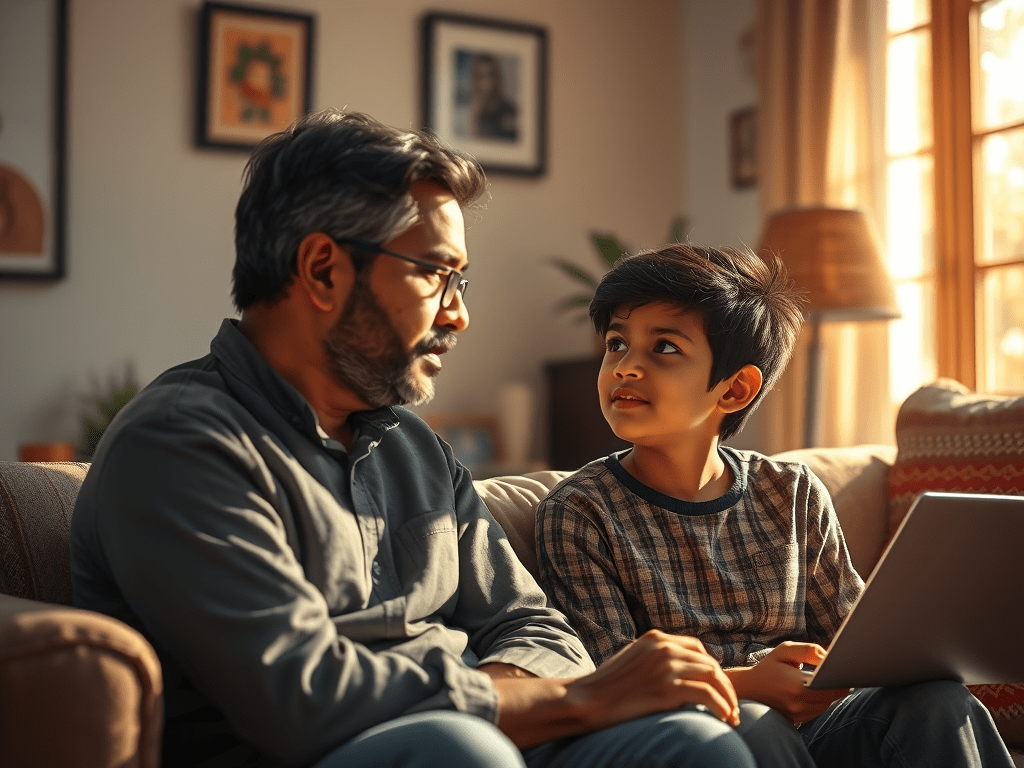
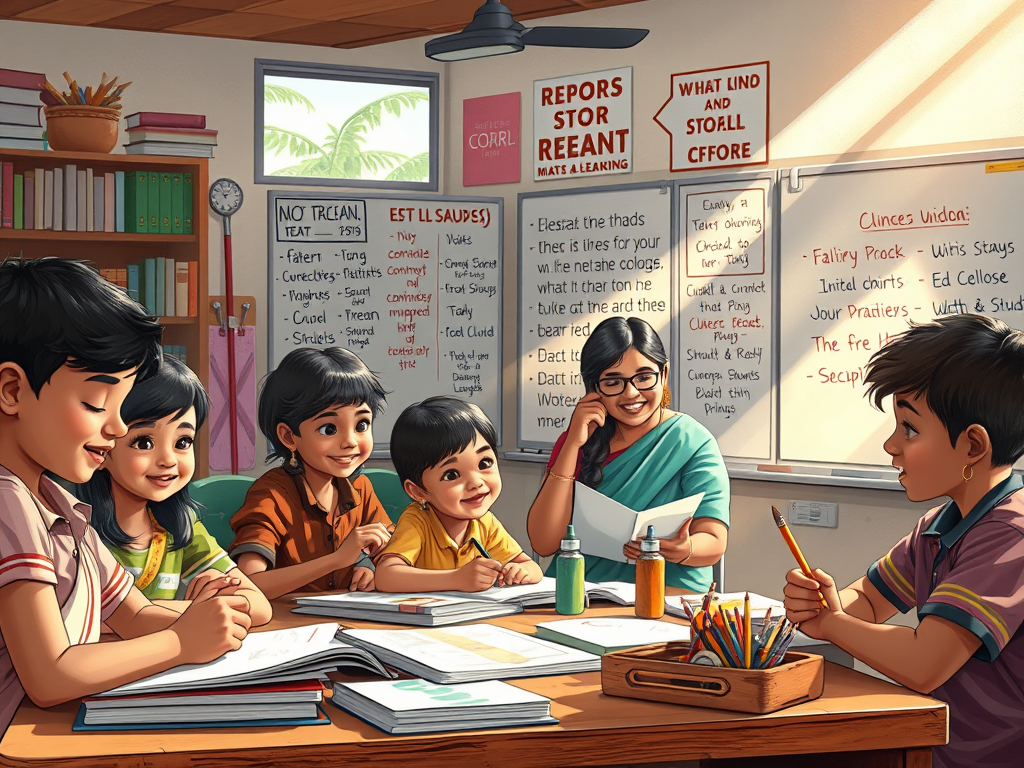
 Classroom Chai – Parents, Teachers, Students Together
Leave a comment